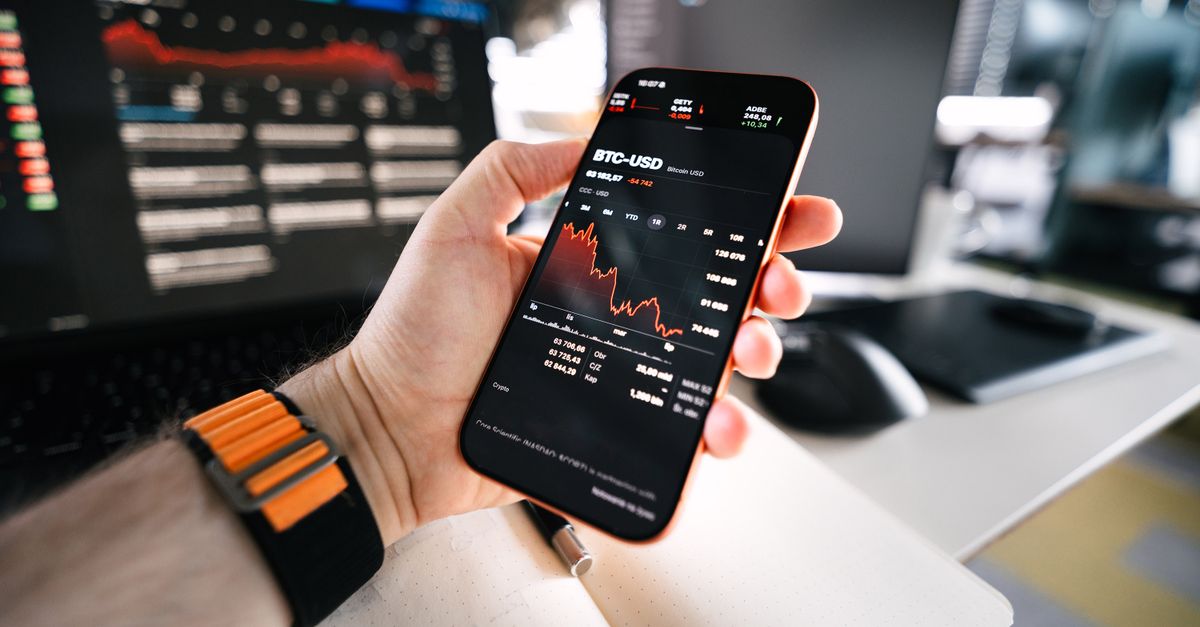
Why Most Beginners Fail at Personal Finance Apps (And The 'Intentional Engagement' Strategy That Actually Works)
You’ve done it. You downloaded the sleek new personal finance app, meticulously linked your accounts, and probably even categorized a few transactions. For a week, maybe two, you felt like a financial wizard, watching your net worth tick up, a budget finally taking shape. Then, life happened. A forgotten login, a confusing report, a surge of transactions you didn’t have time to sort. Suddenly, the app became another unloved icon on your phone, a silent reminder of financial goals unmet.
I’ve been there more times than I care to admit. The promise of effortless money management through an app is incredibly alluring, especially for young adults navigating early career finances and student debt. But in my experience, most beginners quickly fall off the wagon. It’s not a flaw in the apps themselves, which are often incredibly powerful, but rather a fundamental mismatch between the expectation of passive management and the reality of what it takes to genuinely master your money. You can’t outsource financial discipline to an algorithm.
What changed everything for me, and what I now coach others on, is moving beyond the ‘set it and forget it’ fantasy. The truth is, personal finance apps are tools, and like any powerful tool, they require intentional engagement to deliver real value. They demand your active participation, a shift in mindset from passive observer to active conductor of your financial orchestra. Without this, the app becomes another source of overwhelm, not liberation. This isn’t about finding the ‘perfect’ app; it’s about perfecting your approach to using any app.
Key Takeaways
- Most beginners fail personal finance apps because they expect passive management, not active engagement.
- The ‘Intentional Engagement’ strategy transforms apps into powerful tools for active financial mastery.
- Over-automation creates financial blind spots and reduces your learning curve.
- Manual transaction categorization forces deeper understanding of your spending habits.
- Embrace weekly or bi-weekly financial check-ins as non-negotiable appointments with your money.
The Illusion of Effortless Automation: Why ‘Set It and Forget It’ Sets You Up to Fail
Many personal finance apps market themselves on their ability to automate everything. Link your accounts, and voilà, your transactions are pulled in, categorized (mostly), and your budget magically appears. This sounds fantastic in theory, right? It feels like you’re doing something smart without actually doing much. However, in my experience, this very automation is the primary reason beginners fail.
When an app automatically categorizes your spending, it robs you of a crucial learning opportunity. Think about it: when you manually review a transaction for $50 at ‘Coffee Shop XYZ’ and assign it to ‘Dining Out,’ you’re not just moving data. You’re acknowledging the purchase. You’re confronting where your money actually went. This act of intentional classification forces you to engage with your spending habits. Was that $50 really necessary? Could it have gone elsewhere? These small, repetitive decisions build financial awareness over time.
What happens with full automation? The app might correctly guess ‘Dining Out,’ but you’ve never looked at it. It disappears into a category total, and you remain oblivious to the subtle bleed in your budget. It’s like having a chef cook all your meals without ever learning to distinguish a sauté from a stir-fry – you consume, but you don’t understand the process or the ingredients. I once let an app auto-categorize my spending for months, and while my budget looked green, I felt disconnected. I couldn’t tell you why I was within budget, only that the app said I was. That’s not control; that’s outsourcing responsibility without understanding.
Furthermore, automation is rarely 100% accurate. Apps often miscategorize, especially with new vendors or specific purchases within larger stores (e.g., buying groceries and a new spatula at Target). When you’re not actively reviewing, these errors accumulate, skewing your budget and financial reports. You end up making decisions based on faulty data, or worse, lose trust in the app altogether and abandon it. The hidden cost of ‘effortless automation’ is a lack of true financial clarity and a stunted learning curve. My advice: resist the urge to completely automate. Embrace the manual review; it’s where the real learning happens.
Your Money Needs a Regular Check-Up: The Power of Dedicated Financial Review Time
Imagine trying to get physically fit by simply buying a gym membership and expecting results without ever stepping foot inside or following a plan. It’s ludicrous, right? Yet, this is exactly how many beginners approach personal finance apps. They download, link, and then wait for wealth to appear. My most significant breakthrough came when I started treating my finances like a non-negotiable, recurring appointment.
This is where the ‘Intentional Engagement’ strategy truly begins. Dedicate a specific, recurring slot in your calendar – say, 30 minutes every Sunday afternoon, or 15 minutes every Tuesday and Friday morning – solely for engaging with your personal finance app. This isn’t just ‘looking at your bank balance.’ This is dedicated financial review time. During this time, you log into your app and:
- Review New Transactions: Go through every new transaction since your last check-in. Manually categorize them. If something is uncategorized, give it a home. If something is miscategorized, correct it. Ask yourself: Was this an intentional spend? Does it align with my budget goals?
- Reconcile Accounts (Briefly): Quickly glance at your bank and credit card balances within the app. Do they seem roughly accurate compared to your actual bank accounts? Address any discrepancies immediately.
- Check Budget Progress: See where you stand for the month. Are you on track with your dining out? How’s the grocery spending looking? This isn’t about judgment, but awareness. If you’re over, acknowledge it. If you’re under, celebrate it.
- Update Goals (If Applicable): If you’re tracking savings goals within the app (e.g., down payment, vacation), note your progress.
This regular check-up transforms the app from a passive data collector into an active financial compass. It creates a feedback loop that helps you course-correct before you’re deep into overdraft fees or wondering where your paycheck went. For me, these 30 minutes a week became an anchor. It reduced my financial anxiety because I was always ‘in the loop.’ I wasn’t guessing; I knew. That sense of informed control is priceless, and it simply doesn’t happen if you only open the app when you’re already stressed about money.
Beyond Budgeting: Using Apps for Deeper Financial Discovery
Most beginners focus solely on budgeting in their personal finance apps, and while budgeting is crucial, these tools offer so much more for deeper financial discovery. Neglecting these other features means leaving significant insights on the table. My own journey with apps truly accelerated when I started exploring their analytical capabilities.
Think about the wealth of data sitting in your app. It’s not just about what you spent this month; it’s about patterns over time, net worth trends, and investment performance. Here’s how to use your app for more profound insights:
- Trend Analysis: Instead of just looking at this month’s spending, look at the last three, six, or even twelve months. Many apps have great reporting features. Are your ‘fun money’ expenses slowly creeping up? Is your ‘transportation’ category consistently higher in certain seasons? Identifying these trends, especially when you’re actively categorizing, helps you pinpoint areas for sustained improvement or understand why certain months feel tighter than others. I discovered I consistently underestimated my holiday spending, even though I budgeted for it. Seeing the actual trend over several years allowed me to create a more realistic sinking fund.
- Net Worth Tracking: Linking all your assets (bank accounts, investments, property estimates) and liabilities (loans, credit cards) gives you a real-time snapshot of your net worth. Watching this number grow (or identifying why it’s shrinking) is incredibly motivating. It moves you beyond just income and expenses to a holistic view of your financial health. For young professionals burdened with student debt, seeing that net worth figure, even if negative, is the first step to acknowledging and tackling it head-on.
- Goal Tracking & Visualization: Most apps allow you to set specific savings goals. Want to save $5,000 for a down payment? Create the goal, link a savings account, and watch the progress bar fill up. The visual reinforcement, updated weekly during your dedicated review time, is a powerful psychological tool. It turns an abstract number into a tangible target.
- Investment Performance: Many apps integrate with brokerage accounts. While they aren’t meant to be your primary investment analysis tool, they offer a quick glance at how your portfolio is performing overall. This can help you understand the big picture, especially when market fluctuations might cause anxiety, and reinforce the importance of your long-term strategy.
By engaging with these deeper features, you move from merely tracking your money to truly understanding its behavior and potential. This deeper discovery fosters a sense of agency and helps you make more informed, strategic financial decisions, rather than just reacting to your bank balance.
The Trap of Over-Customization and Feature Overload
When I first started using personal finance apps, I was obsessed with customizing every single category, creating elaborate sub-categories, and diving into every single feature the app offered. I thought more detail meant more control. The reality? It led to overwhelm and analysis paralysis, especially for a beginner. This drive for ‘perfection’ in customization is a common trap that derails many.
Apps are designed with a plethora of features and customization options, which is great for advanced users. However, for a beginner, it often leads to:
- Decision Fatigue: Do I need ‘Groceries - produce’ and ‘Groceries - pantry’? Should ‘Coffee with friends’ be under ‘Dining Out’ or ‘Entertainment’? These micro-decisions add friction to your regular review, making it feel like a chore. The more decisions you have to make, the less likely you are to consistently engage.
- Lost in Complexity: When your budget has 50 categories and 100 sub-categories, it becomes a dense thicket of data. It’s hard to see the forest for the trees. You lose sight of the big picture – where is my money really going in significant chunks?
- Misguided Focus: Instead of focusing on the core behaviors that impact your finances (e.g., spending less than you earn, saving consistently), you spend time tinkering with the app. The tool becomes the task, not an aid to the task.
My advice for beginners is to start simple and iterate. Most apps come with default categories. Use them! Don’t try to redefine your entire financial universe on day one. Stick to broad categories like ‘Housing,’ ‘Food,’ ‘Transportation,’ ‘Utilities,’ ‘Entertainment,’ ‘Savings,’ and ‘Debt Payments.’ As you consistently engage with the app and understand your own spending patterns, you’ll naturally identify areas where more granularity would be truly helpful.
For example, I started with one ‘Shopping’ category. After a few months, I noticed that my ‘Shopping’ was always high, but I couldn’t tell if it was for clothes, home goods, or gifts. Only then did I create ‘Clothes’ and ‘Home Decor’ sub-categories. This iterative approach ensures that your customization is driven by genuine need and insight, not by the app’s potential, making the system sustainable and useful.
Integrating Apps into Your Broader Financial Ecosystem
A personal finance app is a powerful component, but it’s rarely the entire solution. Many beginners fail because they treat the app as a standalone entity, isolated from their broader financial ecosystem. True financial mastery comes from integrating your app into a cohesive strategy that includes your actual bank accounts, savings goals, and overarching financial philosophy.
Consider these integration points:
- Mindful Spending Before the App: Your app tracks what you’ve already done. The real work of mindful spending happens before a transaction. Before you pull out your credit card, quickly ask yourself: Does this align with my budget category for this month? Is this an intentional purchase? The app then serves as a powerful feedback mechanism for these pre-transaction decisions.
- Sync with Savings Goals: If your app tracks goals, ensure those goals are linked to actual high-yield savings accounts or investment accounts. Seeing your ‘House Down Payment’ goal grow in the app is motivating, but the real growth happens when the money actually moves into a dedicated, interest-earning account. Automate transfers from your checking to your savings outside the app, and let the app simply reflect that progress.
- Debt Repayment Strategy: Use the app to track your debt balances and payments, but your actual debt repayment strategy (e.g., debt snowball, debt avalanche) might be managed elsewhere, perhaps on a simple spreadsheet or a dedicated debt payoff tool. The app helps visualize the impact of your chosen strategy, showing balances decrease over time.
- Tax Preparation: While apps can’t do your taxes, the accurate categorization of expenses (especially for freelancers or small business owners) can be invaluable come tax season. Your app becomes a clean, organized record keeper that saves you hours of sifting through statements.
The app isn’t a magic wand; it’s a mirror reflecting your financial habits. By actively using it to inform your real-world financial actions – making conscious spending choices, automating savings transfers, and sticking to debt repayment plans – you create a symbiotic relationship. The app provides the data and insights, and you provide the discipline and action. This integrated approach builds true, lasting financial health, moving beyond simply tracking numbers to actively shaping your financial future.
Conclusion: The Path to Lasting Financial Control
The journey to financial control with personal finance apps isn’t about finding the perfect piece of software. It’s about cultivating intentional engagement – a proactive, consistent relationship with your money. For too long, I, and countless other beginners, approached these powerful tools with a passive mindset, hoping they would magically solve our financial woes. The reality is far more empowering: when you commit to regular check-ins, embrace manual categorization, utilize the app for deeper financial discovery, and resist the urge to over-customize, these apps become indispensable partners in your wealth-building journey.
Stop expecting your app to do the heavy lifting of financial discipline. Instead, see it as a coach, a mirror, and a powerful data analyst, all rolled into one. Your financial freedom isn’t found in its features, but in your consistent, mindful interaction with them. It’s time to move beyond the frustration of abandoned apps and step into the clarity and control that intentional engagement truly offers. Pick one app, commit to 15-30 minutes of intentional review twice a week, and watch your financial awareness – and your wealth – grow.
Frequently Asked Questions
Q1: Why do most beginners fail with personal finance apps?
A1: Most beginners fail because they expect personal finance apps to passively manage their money, leading to a lack of intentional engagement. Over-reliance on automation, infrequent check-ins, and feature overload contribute to abandonment, as users don’t build the financial awareness necessary for lasting control.
Q2: What is the ‘Intentional Engagement’ strategy for personal finance apps?
A2: The ‘Intentional Engagement’ strategy involves actively participating in your financial management through the app, rather than relying solely on automation. Key components include dedicated, recurring financial review times, manual categorization of transactions, and using the app’s analytical features for deeper financial discovery.
Q3: How often should I check my personal finance app?
A3: I recommend dedicating a specific, recurring time slot for financial review, such as 15-30 minutes twice a week. This consistent engagement allows you to review transactions, check budget progress, and stay informed, preventing financial surprises and building discipline.
Q4: Should I manually categorize all my transactions in a personal finance app?
A4: Yes, manual categorization is crucial for beginners. While apps offer automation, manually reviewing and assigning categories to each transaction forces you to acknowledge your spending, build financial awareness, and prevent miscategorizations from skewing your budget insights. It’s a key part of active learning.
Q5: How can I avoid feeling overwhelmed by too many features in a personal finance app?
A5: Start simple. Resist the urge to over-customize categories or dive into every advanced feature immediately. Begin with broad, default categories and only add more granularity when you identify a genuine need based on your spending patterns. Focus on consistent, core engagement rather than perfecting every detail.
Written by Emily Carter
Early career finances, student debt, and mindful spending
A millennial navigating student loans and an evolving career, passionate about sharing her journey to financial freedom.
You Might Also Like

Why Most Beginners Fail at Mastering Credit Card Rewards (And The Layered Strategy That Actually Works)
Unlock real value from credit card rewards. Discover why common strategies fall short and how a layered approach can maximize your points.

Why Most Personal Finance Gurus Miss the Mark (And My Layered Wealth Strategy That Actually Works)
Discover why generic financial advice falls short and learn my layered wealth strategy for building real, sustainable financial freedom. Stop chasing quick fixes.
The Hidden Cost of 'Cheap' Debt Consolidation That Nobody Talks About (And How I Found Real Freedom)
Debt consolidation promises simplicity, but often has hidden costs. Discover why 'cheap' options fail most people and my strategy for true debt freedom.