When I first started budgeting, I was convinced there was one ‘right’ way to do it. I tried every app under the sun, linked all my accounts, and meticulously categorized every transaction. But after a few weeks, I’d inevitably fall off the wagon. The numbers felt abstract, the tracking felt like a chore, and honestly, it just didn’t ‘click.’ It wasn’t until I explored the world of envelope budgeting that I realized my mistake: I was trying to fit a square peg into a round hole. The deciding factor in choosing a budgeting method isn’t just about convenience or tech, it’s about your money mindset and what actually helps you feel connected to your cash.
For some, the digital precision and automation of budgeting apps are a godsend. For others, the tactile, visual nature of physical cash envelopes makes all the difference. I’ve used both extensively, and what I’ve learned is that the ‘best’ method is the one you’ll actually stick with, and that usually comes down to whether it aligns with your psychological relationship with money. If you’re struggling to make a budget work, understanding this distinction might be the game-changer you need.
Key Takeaways
- Your ideal budgeting method depends on whether you’re a ‘visual/tactile’ or ‘analytical/digital’ money person.
- Envelope budgeting builds a strong emotional connection to your spending limits, making overspending feel more immediate and real.
- Budgeting apps offer unparalleled data insights and automation, best suited for those who thrive on detailed financial oversight.
- The friction of physically handling cash in an envelope system can prevent impulse buys more effectively for some.
- Digital budgeting’s ease of access and instant updates are powerful for dynamic financial tracking, but can sometimes detach you from the ‘realness’ of your money.
Why Your Brain Reacts Differently to Cash vs. Digital Funds
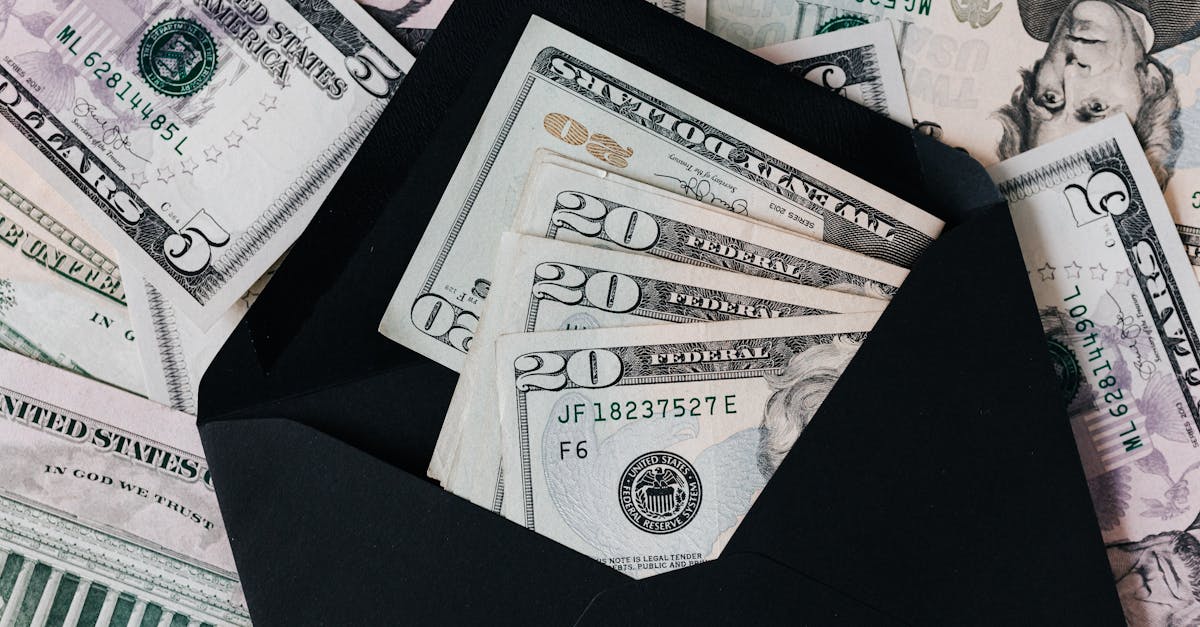
This might sound a little woo-woo, but bear with me: how your brain processes money is deeply ingrained. For me, seeing the numbers on a screen never quite registered as ‘real money.’ It was just data. But when I pulled out a crisp $20 bill from my ‘Groceries’ envelope, it felt substantial. That physical act, the shrinking stack of bills, created a tangible barrier to overspending that no app could replicate.
Studies in behavioral economics consistently show that we value cash differently than digital money. Spending cash literally feels more painful. When you hand over physical money, there’s a clear, immediate loss. When you swipe a card or click ‘Buy Now,’ the actual outflow of funds is delayed and less salient. This is why impulse purchases are so much easier online – the friction is minimal.
If you’re someone who often wonders where your money went, or you find yourself making impulse buys without a second thought, the friction of envelope budgeting might be exactly what you need. It forces you to acknowledge each purchase in a concrete way. You see the dwindling cash in an envelope, and that visual cue often stops you in your tracks before you overspend. In my experience, for those who struggle with emotional spending or a disconnect from their financial reality, this tactile feedback is invaluable.
The Unmatched Discipline of Physical Envelope Budgeting
The traditional envelope system is simple: you allocate a specific amount of cash for certain spending categories (like groceries, entertainment, or dining out) into physical envelopes. Once an envelope is empty, that’s it for the month in that category. No more spending. This method forces a level of discipline that modern apps, for all their bells and whistles, sometimes struggle to instill.
What changed everything for me was realizing that I wasn’t just managing numbers; I was managing my behavior. With a budgeting app, it’s easy to see you’re over budget in one category and just ‘borrow’ from another with a quick tap. There’s no real consequence beyond a few red numbers on a screen. With physical envelopes, moving money means literally taking cash from one envelope and putting it into another. That physical action, that moment of ‘robbing Peter to pay Paul,’ feels much more significant.
For categories like dining out or personal spending, where my willpower tends to be weakest, the envelope system has been a lifesaver. I physically see the money leaving, and when it’s gone, the decision is made for me. No more agonizing over whether I ‘really need’ that extra coffee; if the coffee envelope is empty, the answer is clear. This external discipline can be incredibly powerful for establishing new spending habits and breaking old ones.
The Power and Peril of Digital Budgeting Apps
On the flip side, budgeting apps like YNAB (You Need A Budget), Mint, or Personal Capital offer a level of detail, automation, and convenience that no physical system can match. They automatically categorize transactions, sync with all your accounts, and provide sophisticated reports on your spending habits. For the analytical mind, this data can be incredibly empowering.
In my journey, when I moved past the initial struggle of understanding where my money was going and started to focus on long-term wealth building, budgeting apps became indispensable. Once I had a solid grip on my core spending and my emotional connection to cash was established, the ability to quickly see my entire financial picture—investments, debt, savings, and spending—in one place was invaluable. I could track my net worth, set complex savings goals, and analyze trends over months and years without any manual input.
The mistake I see most often is people treating budgeting apps like magic bullets. They download an app, link their accounts, and expect their money problems to disappear. But if you don’t engage with the data, understand the ‘why’ behind your spending, and actively adjust your behavior, the app is just a fancy tracker. It’s like having a fitness tracker that tells you you’re not exercising enough, but you still don’t hit the gym. For digital budgeting to work, you need a proactive, engaged mindset, and a willingness to analyze the numbers and make behavioral changes based on what you see.
When to Use Which: Aligning Your Method with Your Goal
The real secret isn’t picking one method over the other permanently; it’s understanding when each method shines. Think of it less as a competition and more as a toolkit.
Choose Envelope Budgeting if:
- You struggle with impulse spending: The physical friction of cash makes you think twice.
- You frequently overspend in variable categories: Categories like groceries, entertainment, or dining out are often where cash provides the strongest guardrails.
- You feel disconnected from your money: Handling cash can make your spending feel more real and immediate.
- You’re new to budgeting: It’s an excellent way to build fundamental spending awareness and discipline.
- You prefer a simpler, less tech-heavy approach: No learning curve for software, just cash and envelopes.
Choose Budgeting Apps if:
- You’re comfortable with digital tools and data analysis: You enjoy seeing trends, categorizing, and diving into reports.
- You have a complex financial situation: Multiple accounts, investments, debts, and income streams benefit from centralized tracking.
- You want automation and convenience: Automatic transaction importing saves time and reduces manual error.
- You’re focused on long-term financial goals: Net worth tracking, retirement planning, and detailed savings goals are easier to manage digitally.
- You have strong spending discipline already: The app acts as a powerful tracking and analysis tool rather than a primary behavior modifier.
What truly changed everything for me was a hybrid approach. I started with envelopes for my most problematic spending categories (eating out, personal fun money). Once I built discipline there, I transitioned to a budgeting app to manage my bigger picture finances, track investments, and gain deeper insights into my overall financial health. The tactile learning of the envelopes laid the groundwork for successful digital management.
The Unseen Benefit: Mindful Money Management
Regardless of which method you choose, the ultimate goal of budgeting is to become more mindful about your money. It’s not just about cutting expenses; it’s about making intentional decisions that align with your values and goals. Both envelope budgeting and app budgeting, when used effectively, foster this mindfulness.
With envelopes, the mindfulness comes from the tangible interaction with your money. You are constantly aware of your limits because they are literally in your hand. With apps, mindfulness comes from reviewing your data, understanding patterns, and making conscious adjustments. The act of sitting down, even for 15 minutes a week, to review your transactions and adjust your categories in an app can be just as powerful as counting out cash, if you’re engaged.
In my experience, the biggest barrier to successful budgeting isn’t a lack of tools, but a lack of consistent engagement. Whether that engagement comes from the satisfying thud of bills in an envelope or the insightful graphs on a screen, find what resonates with you. Your money mindset is the compass; let it guide you to the budgeting method that helps you navigate your financial journey with clarity and control.
Frequently Asked Questions
How do I start envelope budgeting if I pay for everything with cards?
Many people use a ‘hybrid’ approach. You still create your physical envelopes for categories where you tend to overspend. When you make a purchase with a card in one of those categories, immediately deduct that amount from the corresponding envelope. This keeps the visual and tactile accounting, even if the actual payment is digital. At the end of the month, you can reconcile the cash in your envelopes with your digital spending in those categories.
Can I use both an app and envelopes at the same time?
Absolutely, and this is what many find most effective. Use envelopes for your most challenging spending categories where you need direct behavioral nudges (e.g., groceries, entertainment, personal spending). Use a budgeting app to track all other expenses, manage bills, monitor savings, and gain a holistic view of your financial situation. This way, you leverage the strengths of both methods.
What if I run out of money in an envelope before the month ends?
That’s the core discipline of the envelope system. If an envelope is empty, you stop spending in that category. If it’s truly an emergency, you might ‘borrow’ from another envelope, but that act forces you to consciously acknowledge you’re taking money from a different priority. The goal is to learn to adjust your spending habits so this happens less frequently.
Are budgeting apps secure?
Reputable budgeting apps use strong encryption and security protocols, similar to banks. They often use read-only access to your accounts, meaning they can see your transactions but cannot move money. Always research the specific app’s security features and privacy policy, and use strong, unique passwords and two-factor authentication.
How often should I review my budget?
For envelope budgeting, daily awareness as you spend is key. For app budgeting, a quick daily check-in (5-10 minutes) to categorize new transactions and a deeper weekly review (30-60 minutes) to assess progress, adjust categories, and plan for the next week is ideal. Consistency is more important than frequency.