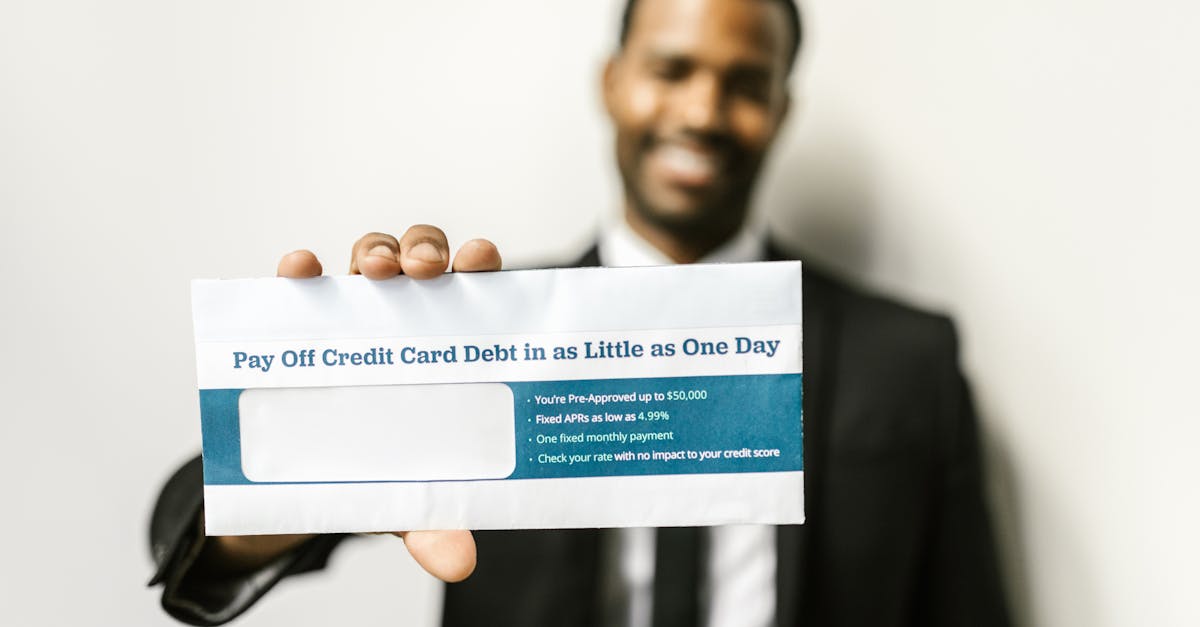
The debt snowball method is praised for its psychological boost. You tackle the smallest debts first, gain momentum with each payoff, and eventually knock out larger balances. I’ve seen it work wonders for many people, myself included, when I was digging out from under a mountain of credit card debt. The satisfaction of zeroing out that first small balance? Unbeatable. It’s like a personal finance victory lap that fuels you for the next fight.
But here’s the thing I often see: that initial burst of enthusiasm can fizzle. People start strong, pay off one or two small debts, and then suddenly, the snowball stops rolling. The payments feel heavier, the motivation wanes, and before they know it, they’re back to just making minimum payments or, worse, accumulating new debt. It’s a frustrating place to be, and it often has little to do with your income. In my experience, the issues are often more subtle than just ‘not enough money’ or ‘lost motivation.’ They’re deeply rooted in how you approach your finances and your daily habits.
Key Takeaways
- Your debt snowball might be stalling due to insufficient budget granularity, leading to ‘death by a thousand cuts’ spending.
- Neglecting a small emergency fund before tackling debt leaves you vulnerable to new debt when unexpected costs arise.
- Relying solely on the psychological boost can backfire when the initial high wears off; you need a system, not just motivation.
- Not adjusting your budget after each debt payoff robs your snowball of crucial acceleration and a sense of progress.
- Trying to ‘cut everything’ can lead to budget fatigue and burnout; prioritize strategic, sustainable cuts.
- Your payment schedule might be out of sync with your paychecks, creating unnecessary stress and making payments feel harder.
- Ignoring the underlying habits that led to debt in the first place guarantees a repeat performance, even after payoff.
1. You’re Missing the ‘Death by a Thousand Cuts’ in Your Budget
When most people set up a debt snowball budget, they focus on big categories: housing, food, transportation, debt payments. They find the extra cash, commit it to the smallest debt, and feel good. What often gets overlooked are the tiny, almost invisible leaks in the budget – the ‘death by a thousand cuts’ spending. These aren’t just your daily lattes; they’re the forgotten streaming subscriptions, the impulse buys on Amazon you don’t even remember ordering, the extra $5 here and there on convenience items that add up to hundreds by month-end.
I made this mistake early on. I had a clear budget, but I kept feeling like I was ‘short’ on funds by the third week. It wasn’t one big splurge; it was the cumulative effect of a dozen small, untracked transactions. What changed everything for me was adopting a more granular, almost forensic approach to tracking for a month. I mean every single penny. Not to shame myself, but to illuminate where the money was actually going. I used a simple spreadsheet, noting every purchase, no matter how small. I was shocked to find over $200 a month disappearing into categories like ‘online shopping (miscellaneous),’ ‘snacks from gas station,’ and ‘app subscriptions I forgot to cancel.’ Once I saw these clearly, I could make informed decisions, reallocate those ‘invisible’ funds, and supercharge my snowball. Your budget needs to be a magnifying glass, not just a broad strokes painting.
Actionable Insight: For one month, track every single expense, even a pack of gum. Use a dedicated app or a simple spreadsheet. Identify the top three ‘death by a thousand cuts’ categories and reallocate that money to your debt snowball for the next month.
2. You Skipped Your Mini-Emergency Fund (And It’s Costing You)
One of the most common pieces of debt payoff advice is to build a small emergency fund before you even start the snowball. Dave Ramsey, for instance, advocates for a $1,000 starter emergency fund. And for good reason. Life happens. Car tires blow, the hot water heater goes out, you get an unexpected medical bill. Without even a small cash buffer, these inevitable surprises don’t just derail your snowball; they often force you to take on new debt, undoing all your hard work.
I’ve seen so many people, in their eagerness to get rid of debt, jump straight into the snowball without this safety net. They’re making fantastic progress, paying off a few accounts, and then BAM – an unexpected $500 car repair hits. With no cash, they put it on a credit card. Suddenly, they’ve added another debt, diminishing the psychological wins and adding to the overall burden. What changed everything for me was realizing that debt payoff isn’t just about eliminating existing debt; it’s about building financial resilience so you don’t get back into debt. That small emergency fund isn’t just a buffer; it’s an investment in the long-term success of your debt-free journey. If you skipped it, it’s never too late to pause, save that $1,000 (or even $500 if that feels more achievable quickly), and then restart your snowball with confidence.
Actionable Insight: Pause your extra debt payments for 1-2 months and funnel all extra cash into a dedicated savings account until you have at least $1,000 saved. This protects your progress from life’s inevitable curveballs.
3. You’re Relying on Motivation, Not a System
The debt snowball method is brilliant for its psychological benefits – the quick wins keep you motivated. But motivation is a fickle beast. It ebbs and flows. When you’re riding high on paying off that first credit card, it feels like nothing can stop you. But when you hit a larger debt that takes months to conquer, or when life gets stressful, that motivation can vanish faster than your last paycheck. Many people assume the feeling of ‘wanting to get out of debt’ is enough, but it rarely is.
What truly works is building a robust, almost automatic system. In my experience, the biggest shift comes from detaching the act of paying debt from pure motivation. This means setting up automated payments, scheduling regular check-ins, and creating clear ‘if-then’ rules for your money. For example, my system involved automating the minimum payments on all debts, and then, on the 1st and 15th of each month (when I got paid), a specific, pre-determined extra amount would automatically transfer to my smallest debt. It wasn’t about feeling motivated; it was about the money moving on its own. I also had a system for handling windfalls: if (bonus received) then (80% to debt, 20% to savings). This way, even when I felt tired or overwhelmed, my debt snowball kept rolling forward because the system was in place. Motivation gets you started; systems keep you going.
Actionable Insight: Automate your debt payments. Set up minimum payments for all debts and then automate a fixed extra payment to your smallest debt, timed to hit shortly after your paychecks arrive. Remove the decision-making step to reduce reliance on motivation.
4. You Aren’t ‘Feeding’ the Snowball After Each Payoff
This is perhaps the most critical, yet frequently missed, step of the debt snowball. The whole point of the snowball method is that as you pay off one debt, you take the money you were paying on that debt and add it to the payment of your next smallest debt. This is how the snowball grows. It gains mass and momentum. However, many people pay off a debt, feel a momentary rush of freedom, and then subconsciously (or consciously) absorb that freed-up money back into their general spending.
I saw this happen with a friend who was doing well with their snowball. They paid off a small credit card, then went out to celebrate – and used some of that ‘freed’ money for dinner and drinks. The next month, they just went back to making minimums on everything else, forgetting to reallocate the $50 they’d just liberated. What truly fueled my snowball was a ritual after each payoff: I’d literally update my budget spreadsheet, showing the new, larger payment going to the next debt. It was a tangible act of ‘feeding the snowball.’ Without that deliberate reallocation, the snowball doesn’t grow; it just disappears. You’re essentially running a series of mini debt payoffs, not a true snowball.
Actionable Insight: Immediately after paying off a debt, adjust your budget. Take the exact amount you were paying on the just-eliminated debt and add it to the payment of your next smallest debt. Make this a non-negotiable step.
5. You’re Cutting Everything Instead of Strategically Reducing
When people get serious about debt payoff, the temptation is to cut everything. No lattes, no dining out, no entertainment, only rice and beans. While this extreme approach can yield rapid results in the short term, it’s often unsustainable and leads to ‘budget fatigue’ or burnout. You deprive yourself too much, feel resentful, and eventually snap, leading to a spending spree that derails your efforts entirely. I’ve witnessed this cycle countless times: a period of intense frugality followed by a rebound of overspending.
What changed everything for me was realizing that strategic reduction is more powerful than indiscriminate cutting. Instead of eliminating entire categories, I focused on reducing them in a way that felt sustainable. For example, instead of no dining out, I might cut my dining out budget from $200 to $75 a month and be extremely mindful of how I spent that $75. Instead of cutting all entertainment, I’d swap expensive concert tickets for free park events or board game nights with friends. This approach allowed me to still enjoy life’s small pleasures, preventing burnout, while still freeing up significant funds for my debt. It’s about finding your ‘enough’ – enough savings for debt, enough for basic needs, and just enough for a bit of joy, so you don’t feel like you’re living in a financial prison.
Actionable Insight: Review your budget and identify 1-2 categories where you can reduce spending by 25-50% rather than eliminating them entirely. Commit to these smaller, sustainable cuts for at least three months before reassessing.
6. Your Payment Schedule is Out of Sync with Your Paychecks
This is a subtle but powerful reason many people feel perpetually behind, even when they have enough income. If you get paid bi-weekly, but all your debt payments are due on the 1st of the month, you’re essentially trying to cover half a month’s expenses and a full month’s debt payments from one paycheck. This creates a perception of scarcity and makes it feel like you never have enough money, even if you do over the full month.
In my experience, synchronizing your debt payments with your paychecks can be a game-changer for cash flow and psychological well-being. When I was paying off debt, I would split my extra payment in half. If I wanted to pay an extra $100, I’d send $50 with my first paycheck of the month and another $50 with my second. This meant less stress on each individual paycheck. You can also call your creditors and ask to adjust your due dates, or simply make a payment before the due date. The goal is to distribute your payments more evenly throughout the month, so no single paycheck feels overwhelmed. This small adjustment can significantly reduce financial anxiety and keep your snowball moving smoothly.
Actionable Insight: Adjust your debt payment schedule to align with your paychecks. If you’re paid bi-weekly, make two smaller extra payments per month instead of one large one. Consider contacting creditors to shift due dates or simply pay early to spread out your financial obligations.
7. You’re Not Addressing the Habits That Led to the Debt
This is the elephant in the room that most people avoid. You can follow every step of the debt snowball perfectly, pay off all your debts, and feel victorious. But if you haven’t identified and addressed the underlying habits, beliefs, or emotional triggers that led you into debt in the first place, you’re highly susceptible to sliding right back in. In my experience, debt is rarely just a math problem; it’s a behavior problem.
For me, a big trigger was emotional spending after stressful workdays. I’d come home, feel drained, and order takeout or browse online stores for a quick hit of dopamine. Paying off debt felt great, but the urge to spend didn’t disappear with the last payment. What changed everything was a conscious effort to replace those old habits with new, healthier ones. Instead of ordering takeout, I’d go for a walk or call a friend. Instead of online shopping, I’d read a book or work on a hobby. It wasn’t about willpower; it was about proactive replacement and understanding my triggers. Take time to reflect: What situations or emotions typically led you to overspend or take on debt? Until you confront and create new patterns around these, your debt snowball is just a temporary fix, not a permanent solution to financial freedom.
Actionable Insight: Identify 1-2 key habits or emotional triggers that historically led you to debt. Develop replacement behaviors for these triggers and consciously practice them for 30 days. For example, if stress leads to online shopping, replace it with a 15-minute walk or meditation.
Frequently Asked Questions
Q: Is it okay to pause my debt snowball to build a larger emergency fund?
A: Yes, absolutely. While a $1,000 starter emergency fund is recommended before starting the snowball, if you’re halfway through your debt payoff and realize your emergency fund is still too small for your comfort (e.g., less than 1-2 months of expenses), it’s often wise to pause the extra debt payments and focus on building that fund to a more robust level. This creates a stronger financial foundation, reducing the risk of new debt if a major emergency arises. A truly stable debt-free life requires both.
Q: What if I’ve paid off a few debts, but my income has decreased? Should I stop the snowball?
A: A decrease in income is a significant challenge. First, re-evaluate your minimum payments to ensure they are manageable. If your budget is extremely tight, it’s okay to temporarily pause the extra payments and simply maintain minimums on all remaining debts. Focus on living within your new means. Once your income stabilizes, or you find ways to increase it, you can resume the aggressive snowball. The goal is progress, not perfection, and sometimes survival comes first.
Q: How often should I check and adjust my budget during the debt snowball?
A: At a minimum, you should review your budget weekly for accuracy and make minor adjustments as needed. A more thorough review and adjustment, especially to ‘feed the snowball’ with increased payments, should happen immediately after each debt is paid off. Additionally, conduct a full budget overhaul every 3-6 months to ensure it still aligns with your spending habits and financial goals. Consistency in tracking is key to avoiding those ‘death by a thousand cuts.’
Q: Should I use a balance transfer credit card to accelerate my debt snowball?
A: A balance transfer card can be a powerful tool, but it’s a strategic decision, not a simple ‘snowball’ step. If you can transfer high-interest debt to a 0% APR card and commit to paying it off before the promotional period ends, it can save you significant money on interest. However, if you don’t stick to the payoff plan, or if you transfer a balance and then rack up new debt on the old card, it can make your situation worse. Only use balance transfers if you have absolute discipline and a clear payoff strategy in place.
Q: I’m feeling completely overwhelmed and unmotivated. What’s the first thing I should do?
A: Take a deep breath. First, go back to step 2 and ensure you have at least a small emergency fund. Just knowing you have a tiny buffer can reduce a huge amount of stress. Second, simplify. Automate all minimum payments so you don’t miss them. Then, for the extra payment, aim for just $10 or $20 more than the minimum on your smallest debt. Small, consistent steps build momentum. Don’t try to solve everything at once; focus on making the next smallest, most actionable move to get a tiny win. Once you see that small debt’s balance drop, even a little, the motivation will start to return.
It’s easy to get frustrated when your debt snowball loses its pace. I’ve been there, staring at a spreadsheet and feeling like the numbers weren’t moving fast enough. But in my experience, a stalling snowball is rarely about a lack of effort. It’s usually a signal that something deeper in your financial approach needs adjustment. By addressing these often-overlooked reasons – from forensic budget tracking to building financial resilience and aligning your habits – you can not only get your snowball rolling again but ensure it barrels towards true financial freedom. The journey is a marathon, not a sprint, and sometimes a strategic pause and re-evaluation are precisely what you need to pick up speed. Your next step is to pick just one of these insights and implement it this week. Don’t try to fix everything at once. Start small, build momentum, and watch your debt disappear.